Takoyaki Icons Review
As a designer who’s spent years working with machine embroidery designs, I always start by evaluating a new icon set through the lens of real-world use. Takoyaki Icons caught my attention for their simplicity and versatility, but I wanted to see how they’d hold up in actual projects—especially when it comes to custom apparel, handmade products, and commercial embroidery work.
First Impressions: Clean, Versatile, and Adaptable
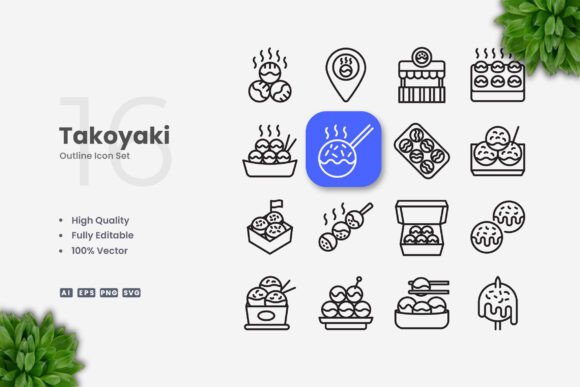
The first thing I noticed about Takoyaki Icons is their clean, minimalist aesthetic. The shapes are straightforward, with no unnecessary details that might complicate stitching or distract from the overall design. The layout feels balanced, and the theme is modern enough to fit into a wide range of projects—from casual t-shirts to professional branding materials.
These icons don’t scream for attention, which makes them perfect for subtle embroidery on items like tote bags, aprons, or baby clothes. Their visual personality is friendly and approachable, which could make them ideal for small businesses targeting a family-friendly or lifestyle-oriented audience.
Real-World Embroidery Use Cases
When I think about where Takoyaki Icons would shine, I imagine them as part of a custom embroidered tote bag design for a local café or a sweatshirt for a boutique clothing line. They’re also great for embroidered patches, which are popular in both personal and commercial settings. The simplicity of the design means they can be easily resized without losing clarity, making them a solid choice for digital product sellers who need adaptable graphics.
For a craft business, these icons could be used in printable mockups or as part of a downloadable design pack. They’d work well in social media posts, infographics, or even as part of a holiday gift set. The clean lines also mean they can be stitched using a variety of techniques, including satin stitch, fill stitch, and running stitch, depending on the desired effect.
Where to Be Cautious: Design Limitations
While Takoyaki Icons are versatile, there are some scenarios where they might not perform as well. For instance, if you're working with small hoop sizes, the design may feel too large or require careful placement. Similarly, on textured fabrics or thin, stretchy materials, the detail might get lost or distorted during stitching.
On dark fabrics, the contrast could be an issue unless you choose a bold thread color. Thin or delicate fabrics may also require additional stabilizer to prevent puckering or distortion. If you're planning to use these icons on curved surfaces like caps or baby onesies, it’s worth testing the design on a scrap piece first to ensure it looks good after stitching.
Impact on Visual Appeal and Customer Perception
One of the biggest advantages of Takoyaki Icons is their ability to enhance the visual appeal of any project without overwhelming the design. Their simplicity allows them to stand out while still blending well with other elements. This makes them a great choice for handmade products that need to look professional yet personal.
From a customer perspective, these icons could help build trust in your brand. A well-executed embroidery design, especially one that’s clean and consistent, signals quality and attention to detail. That’s especially important for Etsy sellers or small shop owners looking to differentiate themselves in a crowded market.
Practical Tips for Embroidery Designers
If you’re planning to use Takoyaki Icons in your next project, here are a few things to keep in mind:
- Test on scrap fabric before committing to a final piece. This helps identify any issues with stitch density or fabric compatibility.
- Check thread color contrast against the fabric to ensure visibility and cohesion.
- Review stitch density to avoid overcrowding or gaps in the design.
- Confirm hoop size to ensure the design fits comfortably without being stretched or compressed.
- Inspect small details to make sure they translate well in different sizes and orientations.
- Test in black and white mockups to see how the design looks without color.
- Compare light and dark fabric backgrounds to determine the best application.
- Use proper stabilizer for delicate or stretchy fabrics.
- Confirm licensing if you plan to sell finished items or digital products.
Final Thoughts: A Solid Choice for Practical Projects
Takoyaki Icons are a reliable addition to any embroidery designer’s toolkit. They’re easy to work with, visually appealing, and suitable for a wide range of applications. Whether you’re creating custom apparel, personalized gifts, or small shop merchandise, these icons offer a level of flexibility that’s hard to beat.
That said, they’re not a one-size-fits-all solution. Like any design, they require thoughtful application and testing to ensure the best results. But for those looking for a clean, adaptable icon set that works well in real-life embroidery situations, Takoyaki Icons are definitely worth considering.